Speakers at our conference...
The list is not yet final, we are gradually updating it and adding information as more speakers apply. We are still waiting for some of them to provide the requested information (photo, something about themselves, lecture abstract).
The list is sorted alphabetically by last name.
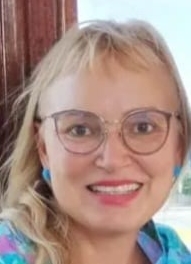 Bc. Kristina Bertošová
physiotherapist, Czech Republic 
Kristina Bertošová is a physiotherapist with over 27 years of clinical experience. She has long specialized in functional disorders of the abdominal wall, especially diastasis of the abdominal muscles and the issue of umbilical hernias, and in physiotherapeutic care for women during pregnancy and after childbirth.
In her practice, she approaches the abdominal wall as a functional system, the condition of which cannot be assessed solely by the presence or width of diastasis. She focuses on the ability of the abdominal wall to respond to movement and load, the management of intra-abdominal pressure and the interplay of the diaphragm, abdominal wall and pelvic floor in the context of posture and movement stereotypes.
Her work includes a comprehensive functional examination of the abdominal wall, individual physiotherapy and the gradual return of women to normal physical and sports activity. She is also dedicated to the professional education of physiotherapists, midwives, trainers, masseurs and other experts working with movement.
In his teaching, he combines many years of clinical experience with practical assessment of the function of the abdominal wall in real movement and load.
Abstract:
Topic:
When “proper care” is not enough: how to recognize the function of the abdominal wall after childbirth in daily practice
In practice, we repeatedly encounter postpartum women who “exercise correctly”, yet problems persist – back pain, a feeling of instability or bulging of the abdominal wall during ordinary activities. The attention is often focused only on the presence of diastasis as a structural finding. Experience from practice shows that some commonly recommended exercises may not lead to improvement, but may maintain the problems if the abdominal wall is unable to respond correctly to the load. The paper shows that the decisive factor is not the width of the gap itself, but the way in which the abdominal wall responds to the load. During normal movement – for example, when getting up, carrying a child or changing position – it is possible to recognize within a few seconds whether the abdominal wall is working functionally or whether compensations are occurring. Specific practical demonstrations will be presented to present a view of the abdominal wall as a functional system in relation to breathing, the pelvic floor and the management of intra-abdominal pressure. The aim of the paper is to offer midwives simple and practically applicable principles of observation that can help to recognize a problem early and support decisions on further care.
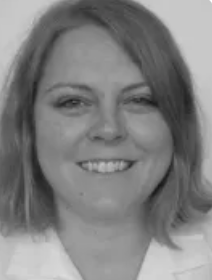 MUDr. Petronela Bieliková
Head of the maternity hospital in Havirov, Czech Republic
My attitude to obstetric care:
“The most important thing is an individual approach to clients, and their birth wishes. Both in the maternity hospital and in the gynaecology department, we care for clients according to the latest scientific knowledge and at the same time respond flexibly to their needs. An integral part of care is wellbeing during childbirth.
Abstract:
Topic:
Havirov Maternity Hospital in the Changing Times
We believe in Maternity hospital Havířov that despite the rigidity of the system, it is possible to provide world-class care. We are a maternity hospital that, during a nationwide decline, recorded an increase of more than 6% in the birth rate, and in the last year we became the 3rd largest basic maternity hospital in the country. We believe that a good birth is not just about the mother and child survival. Our philosophy is an individual approach based on EBM medicine. We are a maternity hospital that provides care for women with natural breech birth, we support VBAC, VBA2C, VBA3C and water births. We support the development of midwifery competencies and provide home postpartum care. We cooperate with doulas and midwives in the community who bring their clients to us and lead their own births. Last but not least, we support continuous contact between mother and child throughout their stay in the maternity hospital, including outpatient births. Skin-to-skin contact is not a phrase for us, but it is something we support both during neonatal resuscitation, cesarean section, or at postnatal ward. At the Havířov Maternity Hospital, we believe that it is possible to provide not only safe, but also high-quality and empathetic medical care in the Czech Republic, and it is not necessary to separate these two aspects. Safety is not reduced at the expense of a pro-client approach and vice versa.
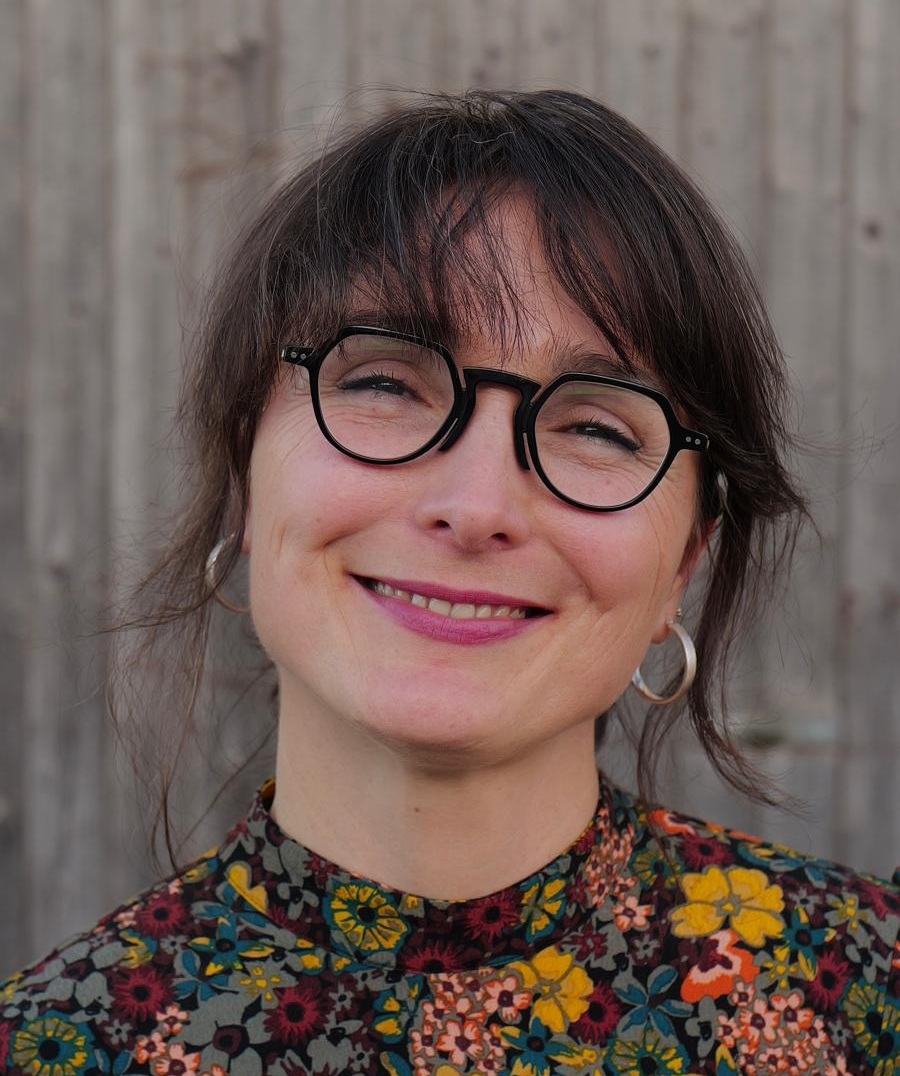 Natalie Dippong
Midwife, Germany 
Natalie holds a Magister degree in Philosophy and Sociology from the University of Potsdam and trained as a midwife in Berlin. For 14 years she has worked as a self-employed midwife in the district of Zwickau, Saxony. For ten of those years she practised as a home birth and caseload midwife, accompanying women through labour at home and in hospital. Her current focus is on pregnancy care, postnatal support, and nutrition. Her interest in artificial intelligence grows from everyday practice: the question of where digital tools can genuinely support midwives – and where they reach their limits.
Abstract:
Topic: Between Algorithm and Intuition – Artificial Intelligence in Midwifery
Artificial intelligence is no longer a vision of the future – it is the present. In medicine, in everyday life, and increasingly in midwifery. Those who close their eyes to this development risk missing a shift that is already changing professional practice.
This talk asks: Where does AI stand today – and what might be possible tomorrow? It deliberately allows for speculation, because we live in an age where visions of the future become reality faster than expected.
The starting point is evidence-based applications in medicine: in dermatology and mammography, AI already delivers demonstrably high-quality results. In obstetrics, early systems show strengths in CTG analysis, assessment of fetal growth restriction, and clinical decision support.
From this, concrete areas of application for midwifery practice are explored: documentation, counselling, translations, knowledge sharing, and organisation. Particularly in low-threshold, multilingual support – including in underserved regions – AI opens up new possibilities.
The talk closes with a speculative look ahead: AI as anamnesis support, findings analysis, personal knowledge assistant – or as a bridge between traditional experiential knowledge and current evidence.
The goal is neither enthusiasm for technology nor resistance, but an informed, confident engagement with a tool that can free up time for what midwifery truly is.
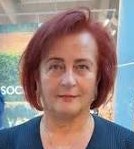 Mgr. Radmila Dorazilová, Ph.D.
private midwife, university assistant professor, lecturer and consultant, Czech Republic
1977–1983 Gynecology and Obstetrics Department of the T.Bati Regional Hospital in Zlín
1984–1993 Gynecology outpatient clinic and home visits by midwife.
since 1994 Independent private practice of a community midwife.
since 2014 Assistant Professor at the Institute of Midwifery, Faculty of Health Sciences, Palacký University in Olomouc.
since 2019 Assistant Professor at the St. Elizabeth University of Health Sciences, Slovakia.
since 2022 Lecturer and consultant at the NCONZO in Brno.
Abstract:
Topic: Where is midwifery in the Czech Republic heading?
It is high time to end the hostile attitudes of midwives and gynaecologists and return to understanding and cooperation between our professions. This is the main goal of my presentation.
It is impossible to think about the future of Czech midwifery without understanding its development until now. Changes began in the 1990s and took place mainly on 4 levels: The first one was to increase the level of entry qualification studies to bachelor's degree. The second was to expand the scope of Midwifery competencies by restoring care for newborns and infants. The third one was to strengthen the independence and responsibility of our profession. And the fourth one is the possibility of independent/autonomous private practice. In addition to social and legislative changes, not only midwives themselves play a role, but also the attitudes of cooperating professions, i.e. primarily gynaecologists and obstetricians.
For entry-level bachelor's degree university education, it is necessary to reduce the number of schools for midwives and increase the quality of their education.
Midwifery practice is developing differently in 4 types of midwifery workplaces:
The work of midwives in obstetric departments of our hospitals. Here, thanks to the supportive approach of the perinatology section of the Czech Medical Society, the greatest progress is evident not only for the benefit of midwives, but also for Czech women, their children and families.
The work of midwives in gynaecological departments of our hospitals is influenced by the rapid development of diagnostic and treatment methods. However, midwives’ autonomy is naturally lower in gynaecology than in obstetrics.
For work in gynaecological outpatient clinics, midwifery qualification is required only when performing autonomous midwifery activities without the presence of a doctor (examination of pregnant women, visits to women in childbed with newborns or preparation for childbirth, parenthood and baby care).
The greatest problems have persisted in the long term in primary and community care provided by autonomous midwives. It is high time to put this issue in order. After the changes on board of the Czech Gyn-obs. Society, I expect a more helpful attitude towards midwives and the possibility of serious negotiations on all problems.
First, it is necessary to establish clear requirements for the practice and qualifications of midwives for the independent practice in primary and community care. To assure the follow up postpartum care by midwives at homes, I consider it necessary to revise the midwifery network in each area.
The professional organization of midwives should work on creating rules and guarantee them. The problem is the current fragmentation, lack of clarity and inconsistency of midwives. The best solution to this situation would be the establishment of the Czech Chamber of Midwives by law. This should strictly defend the professional interests of midwives, but at the same time have correct relations with the Czech Gyn-obs Society. A new proposal about possible establishment of Non-medical Health Workers Chamber is under discussion. Or another possibility – a Nurse and Midwives Chamber. This may be possible, but the autonomy of the midwifery profession must be ensured.
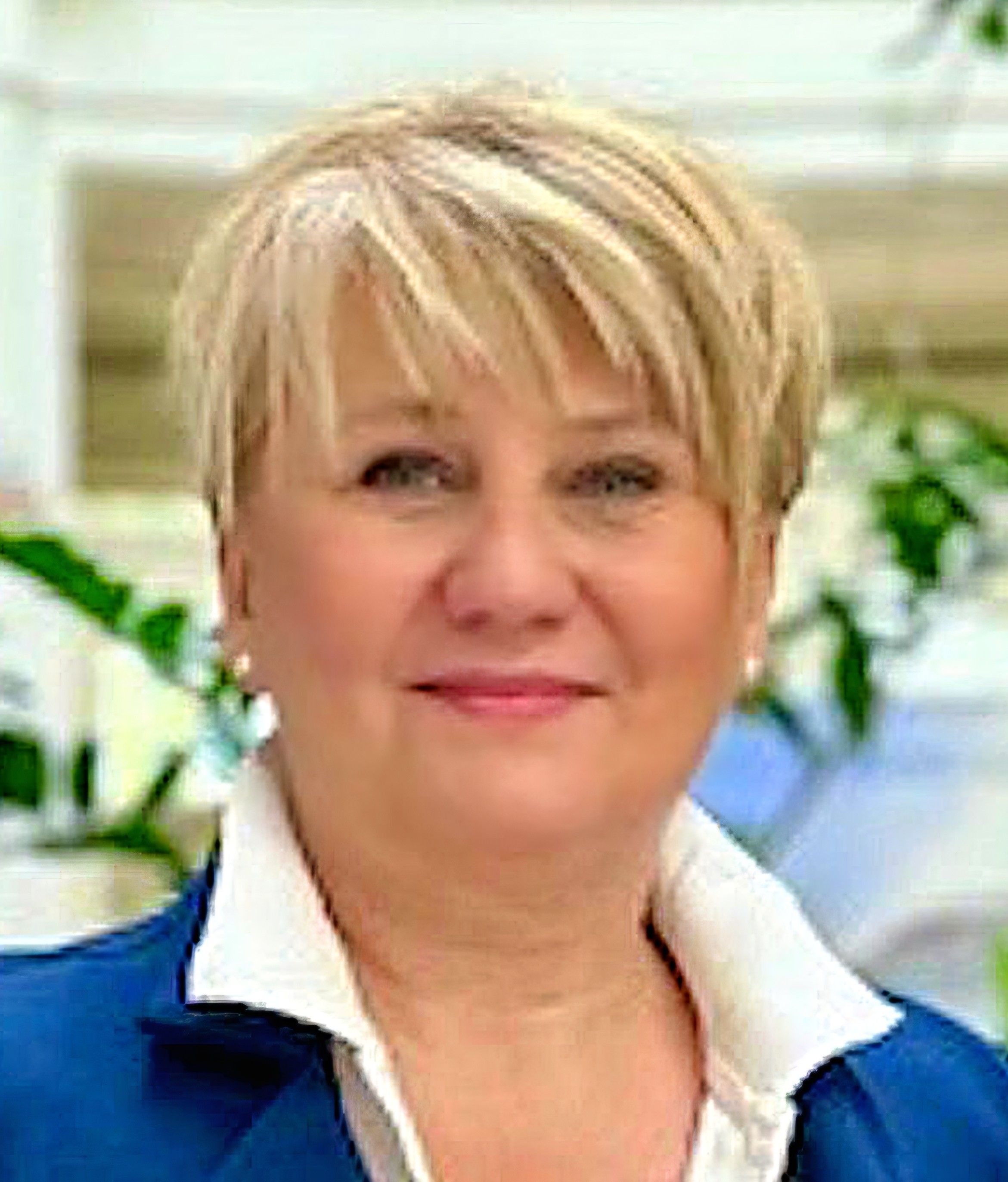 Mgr. Alena Dudová, LL.M.
midwife, head nurse of the Institute for Mother and Child Care Prague,
Czech Republic
Alena Dudová’s professional journey is proof of where hard work, love for the field, joy of learning and a human approach can lead a person.
She has been working in the Podolí maternity hospital for 31 years. She started as an ordinary midwife, gradually worked her way through a number of departments and today, as the head nurse, she leads the non-medical staff of the entire institute for Care of Mother and Child. She sees her role as an opportunity to connect people, have a positive impact, motivate and bring not only common sense, but above all heart and humanity to her work.
You sees midwives and nurses as full-fledged partners of doctors and has long supported the expansion of their competencies, which must go hand in hand with responsibility and lifelong learning.
In the field of obstetric care, she strives to ensure that midwives can perform their work fully and that this care is available to all women, because she sees enormous importance and benefit in it.
She speaks openly about the lack of quality medical personnel, the challenges of communication in women's collectives, and the need for greater systemic support for non-medical professions.
For the future of the entire profession, she would like to see a strong professional chamber that can defend rights, interests, expertise, and connect all non-medical health professions for a common goal - quality and humane patient care.
In 2015, she became a finalist in the prestigious Nurse of the Year competition.
Her life motto is “With love in my heart... Caring for patients brings me joy.“
Abstract:
Topic:
Transformations of the Podolí maternity hospital: Yesterday, Today, and Tomorrow, or My Podolí Maternity Hospital. From historical roots and tradition, through tope modern medicine, to an empathetic approach and care of the future with postpartum care at home.
Yesterday: The era of rigid medical routine.
Approach to people: A woman in the role of a passive patient who must submit to strict hospital rules. The father's role in childbirth was taboo.
Practical procedures: After birth, babies were universally taken to shared neonatal rooms. Breastfeeding was strictly "by the clock" every three hours, regardless of the individual needs of the child and mother. Routine medical interventions were the standard for every birth.
Today: Top science hand in hand with respect.
Approach to people: Respect for the birthing family. The partner is a natural support right in the delivery room. The staff listens to the woman's wishes (birth plans).
Practical procedures: Podolí operates as the largest perinatology center in the Czech Republic. It can save extremely premature babies thanks to cutting-edge technology, but at the same time supports naturalness, immediate uninterrupted bonding and the rooming-in system in physiological births (the baby is always with the mother from the first second).
Tomorrow: Care that does not end with a discharge notice.
safety of home and community. Continuous support for a woman not only in the critical period of the postpartum period, but in all stages of her life.
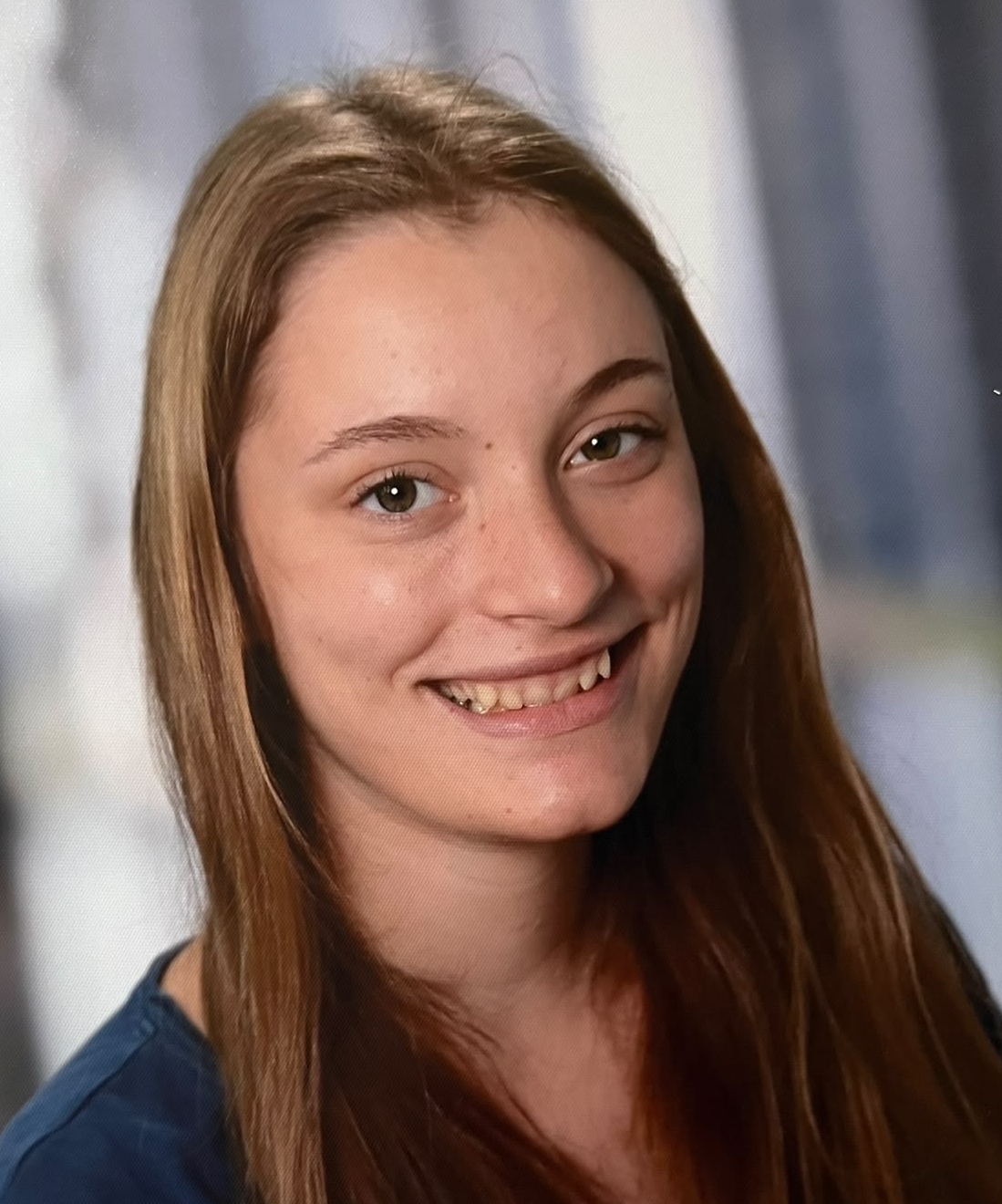 Ann-Kathrin Eber
midwifery student, Germany
Ann-Kathrin is a midwifery student from Karlsruhe. She works there in a local hospital and studies at the Duale Hochschule Baden-Württemberg Karlsruhe. She is in the fourth of seven semesters of her course of study.
Abstract:
Topic: Becoming a midwife in Germany – a behind the scenes report
Historically, becoming a midwife has always been a practical apprenticeship. In an effort to align it with other medical professions and to introduce knowledge gathered over centuries, the European community of nations declared that there must be a university degree for midwifery science.
Since 2023 it is only possible to become a midwife through a dual course of study. It will be explained how the course of the study is organized in Germany. We will explore the up- and downsides of this change in the teaching of the profession. As well as some personal insights of midwifery students. We will focus especially on how well-prepared students feel for working in out of hospital settings and what issues need to be addressed to make midwifery an attractive career choice.
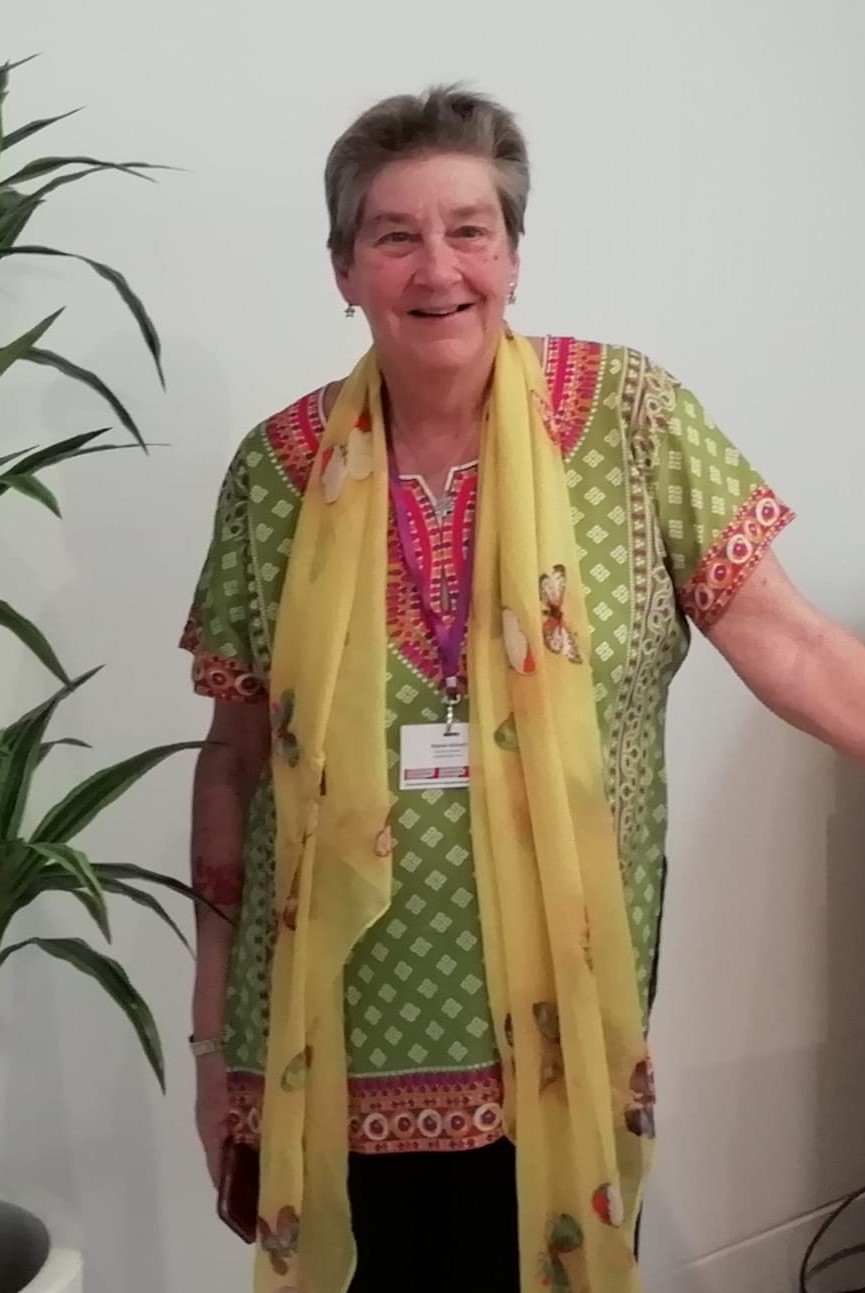 Dianne Garland, FRCM, SRN, RM, ADM, PGCEA, MSc
Midwife, Great Britain 
My career as a midwife began in 1983. Through my practice, I found a special energy within me to develop and expand a new practice, specifically water birth. Despite initial resistance, my unwavering commitment to spreading the word about the practice led me to become a pioneer in teaching water birth to midwifery professionals. My goal was simple: to educate, inform, and dispel misconceptions through research and data. Over the decades, my work in midwifery has taken me in many directions, but my mission to share experiences and expertise remains at the core of everything I do.
Abstract:
Topic: Waterbirth for the 21st century – Love, Skills and Knowledge
This session will explore the three aspects which have been raised throughout the content of my new book.
Love is shaped not only by the hormonal effects of labour and birth—most notably oxytocin—but also by the influence of other hormones involved in waterbirth.
Love explores the impact of this fine interplay of hormones on health professionals, parents and of course the baby.
Skills focuses on the psychological and physiological use of water during birth.
- Criteria for using water across all four stages of birth and recovery
- Care for both mother and baby
- How to respond to any emergencies that may arise
Knowledge explores how and where we build our understanding of waterbirth, and how we apply evidence, guidance, and professional insight in practice.
- Using data, research, and clinical guidelines to inform safe and effective care
- Drawing on publications, presentations, and both national and international expertise
- Valuing the traditional history of waterbirth while remaining open to new thinking and broader perspectives
 Waterbirth for the 21st Century – Love, Skills and Knowledge is the latest work from internationally respected waterbirth pioneer Dianne Garland. Drawing on decades of clinical expertise, Garland offers an invaluable blend of history, global research and practical guidance for supporting mothers, babies and midwifery professionals through labour and birth in water. From antenatal preparation to professional education, the book equips birth companions, midwives, doulas and maternity teams with the confidence and evidence they need. Featuring inspiring stories from families and practitioners worldwide, this is an essential resource for anyone committed to safe, compassionate and informed waterbirth practice.
The book will be available for purchase during the conference.
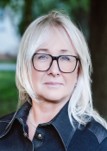 Bc. Eva Hladišová
midwife, Czech Republic
Bc. Eva Hladišová has worked her entire professional life in Uherské Hradiště Hospital and in the delivery room of thishospital since 1985. She applies her long-time experience from clinical practice not only in the care of mothers and newborns, but also in the organization and management of the delivery room, where she has held the position of head midwife since 2018.
She studied at the J.A. Komeský Gymnasium in Uherský Brod, then graduated from the Secondary Health School in Zlín with a degree in Women's Nursing and in 2004 received a bachelor’s degree in nursing from Palacký University in Olomouc.
Abstract:
Téma:
Changes in our maternity hospital since 1989
During her more than forty years of practice, Eva has witnessed fundamental changes in obstetric care, maternity hospital equipment, modernization of delivery rooms and the creation of an environment that respects the privacy and intimacy of mothers. The presence of fathers in both vaginal and Caesarean births has become normal.
I will present water births statistical analysis since 2002 in a set of over 500 births. I will also speak about breech births - options, positions and cooperation between midwives and doctors.
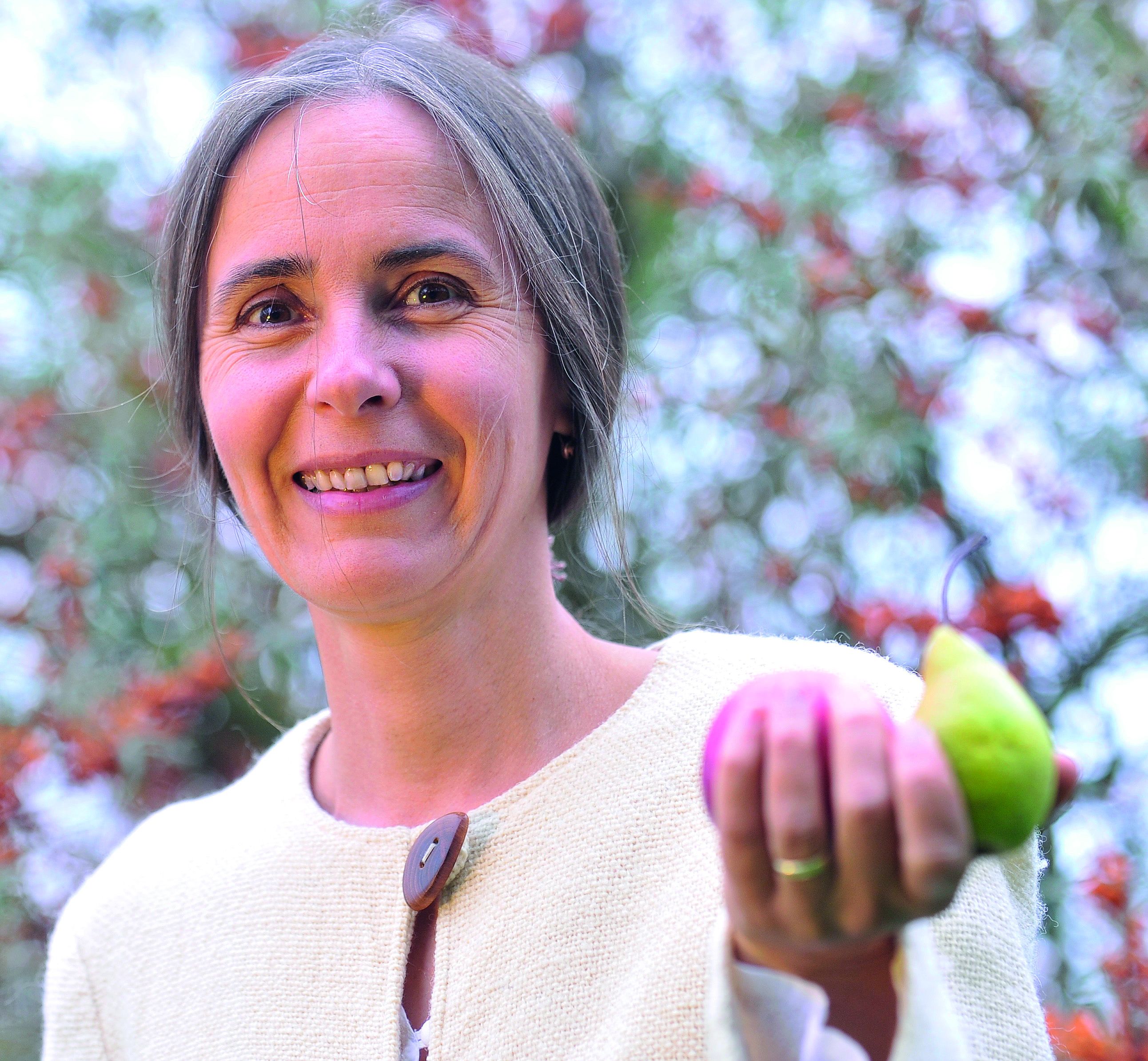 MUDr. Judita Hofhanzlová
doctor, Czech Republic
She has been working in her Healthy Lifestyle Counseling Center since 2000. Her practice includes the following fields:
Classic homeopathy, psychosomatics, ethicotherapy, healthy nutrition for infants, children and adults. Lactation counseling, toddler care counseling. Family constellations, working with family systems, relationship problems, care for the elderly, educational difficulties with children. She devotes a lot of time to the topic of mother and child, prenatal care, childbirth and subsequent care for little ones, as well as in cases of infertility.
She has written several books in the field of nutrition: Atopic eczema, allergies, asthma, We eat Healthy food, we don't cook, Baby (breastfeeding, nursing, nutrition, education), Expectant and nursing mothers cook tasty and healthy, Soups and purees for the little ones, Health for women and children with natural remedies, Homeopathic home medicine cabinet.
Abstract:
Topic:
Problems with breastfeeding + Complementary foods for infants
- Problems with breastfeeding
Difficulties with breastfeeding may not always be due to a lack of breast milk or incorrect breastfeeding technique. Causes in the
- mother – the mother's psychological state during pregnancy and childbirth...
- baby - the effect of anesthesia during a cesarean section, the course of childbirth, repeated sonographic examination...
- Complementary foods for infants
- partially breastfed baby
- fully breastfed baby
- how our grandmothers fed babies who could not be breastfed
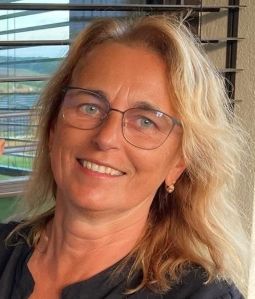 Iva Kadlicová
midwife in the delivery room in maternity hospital, Czech Republic
She was born in 1967 in Zlín, is married, has three sons. After studying at the gymnasium in Uh. Brod and Midwifery at secondary medical school in Brno, she completed her studies during her internship at PSS in Brno.
Since 1987, she has been working as a midwife in the delivery room in maternity hospital in Uherské Hradiště.
In 2007, she started a private practice and also works as an independent midwife in this region, caring for women before and after childbirth.
Abstract:
Topic:
Postpartum care in years
- Introduction
- My personal genesis of postpartum care, the beginnings
- Job description
- Changes over time
- Reimbursement of postpartum care
- (Non)cooperation of health insurance companies
- Cooperation with the hospital before and now
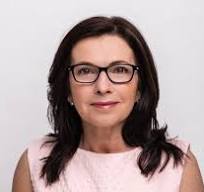 PhDr. Miloslava Kameníková
Head Midwife of the Midwifery Center, Czech Republic
She joined the delivery room at the Brno University Hospital as a "female nurse" in 1986. She is currently the head midwife of the Midwifery Center at the Brno University Hospital. She can look back and evaluate how time has passed over the past 40 years. How things worked then, how practice has changed, and how things work there now.
Abstract:
Topic:
University Hospital Brno at the turn of the millennium and visions for the future
The paper will focus on the development of obstetric practice through the eyes of a midwife who was part of this transformation. It compares the working conditions, access to mothers and the organization of care in delivery rooms at the Brno University Hospital in the past and today. The aim is to offer the audience a comprehensive view of how obstetrics has developed, what these changes have brought to patients and healthcare professionals, women and midwives, and what challenges the field faces in the future.
Attention will be paid to changes in technological equipment, medical procedures and the growing role of midwives, whose professional identity has changed over the years. The paper will also reflect on the introduction of new forms of care, greater emphasis on an individualized approach to women during pregnancy and childbirth.
The lecture will not only provide an overview of key successes, but will also openly address the problems and failures that accompanied the transformation of the field. Emphasis will be placed on personal experience, which allows for insight into the changes in obstetrics in a broader professional and human context.
 Tanja Keil
Independent midwife, Switzerland 
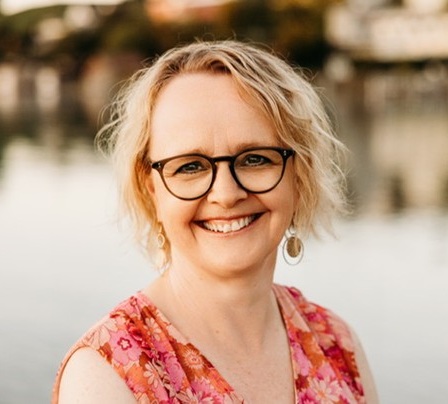
Tanja Keil is a midwife with many years of experience in both hospital-based and out-of-hospital maternity care in Germany and Switzerland. After completing her training in Freiburg, Germany, she worked in leading positions at hospitals and birth centers before becoming an independent midwife with full professional responsibility, supporting families throughout pregnancy, birth, and the postpartum period.
he is the founder of Hebammen Lenzburg and a founding member of the Nordstern Birth Center at Aarau Cantonal Hospital. Another important focus of her work is craniosacral therapy for babies, children, and adults. In addition, she serves as an auditor for midwife-led maternity care on behalf of the Swiss Midwives Association.
Abstract:
Topic:
Development of midwifery over the last 20 years in Germany and Switzerland
In this section, we will analyse key developments and structural changes in midwifery care systems. We will address the following questions:
- Why are maternity units closing?
- Why are increasing numbers of midwives leaving the profession?
- How is out-of-hospital (community-based) maternity care organised, and how does this differ from the system in Germany?
- How has the caesarean section rate developed over time?
- Has maternity care become more medicalised, or more individualised?
- Are psychological challenges and mental health aspects around pregnancy and birth becoming more visible and recognised?
In addition, we will discuss current systemic challenges, including
- Increasing economic pressure on hospitals
- Rising professional liability insurance costs for midwives
- The ongoing closure of delivery units
Germany vs Switzerland
Through this analysis, we aim to highlight the evolving role of midwives, the impact of health policy and economic factors, and the changing needs of women and families in maternity care.
 MUDr. Petr Kolek
gynecologist and head of the Department of Gynecology and Obstetrics at Hospital, Czech Republic
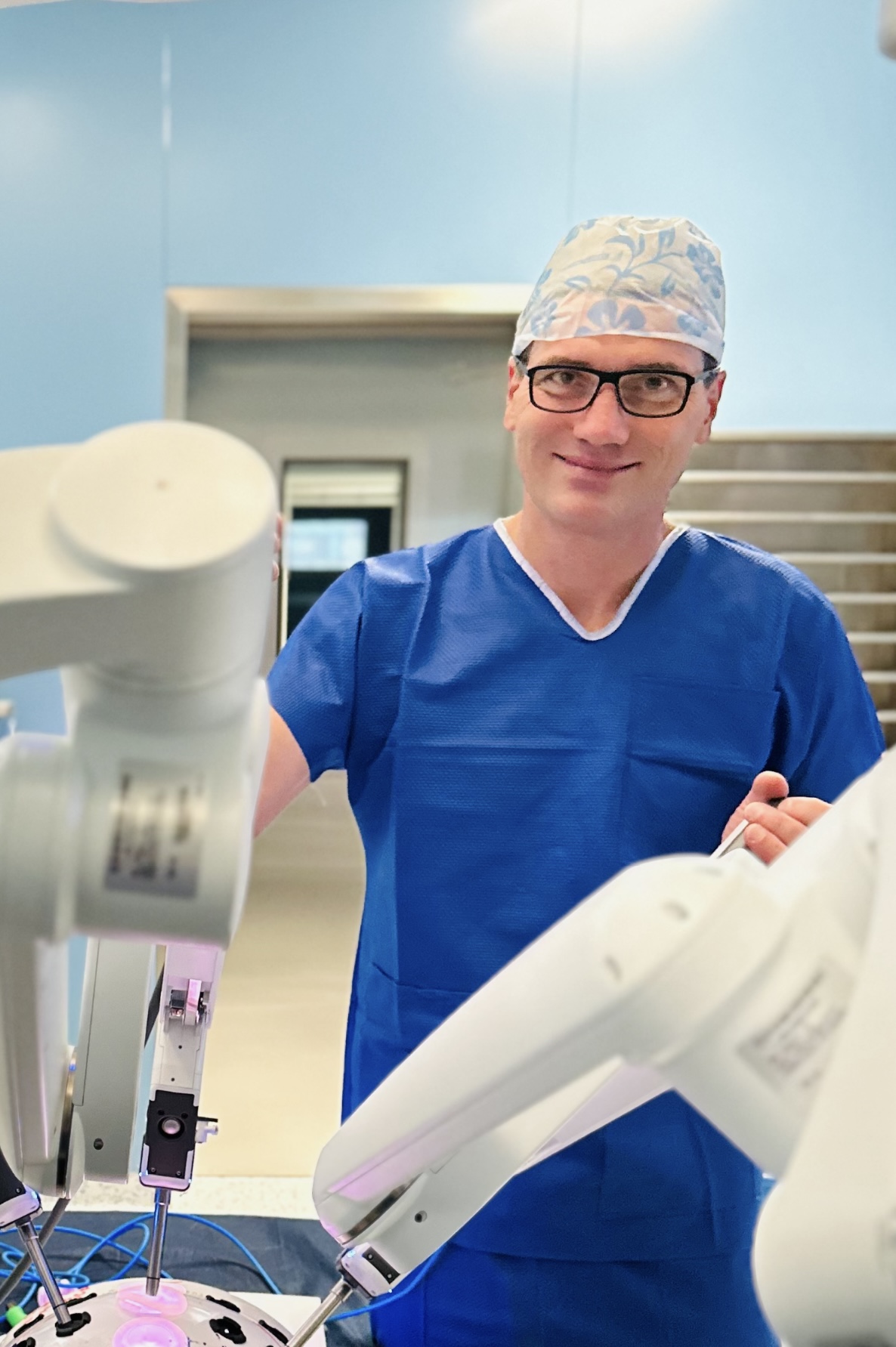
Dr. Petr Kolek is a gynecologist and head of the Department of Gynecology and Obstetrics at the Thomayer University Hospital in Prague. He graduated from the 3rd Faculty of Medicine at Charles University. He specializes in urogynecology and robotic surgery.
In addition to his clinical work, he is actively involved in public education and training. He regularly appears in the media, where he popularizes topics related to modern gynecological care.
His professional career and professional focus make him one of the respected specialists in the field of urogynecology and obstetrics in the Czech Republic.
Abstract:
Topic:
The transformation of obstetrics in Thomayer University Hospital or a healthy mother and a healthy child is not enough
We believe that the hospital is still the safest place to give birth in the Czech context. Nevertheless, we are aware of the limits and reserves of hospital birth – and this is what drives us forward. We strive to ensure that a woman in the hospital gets everything that home birth brings: intimacy, respect and naturalness – in an environment that can ensure the unsurpassed minimum: a healthy mother and a healthy child to the maximum extent possible – and that is in the conditions of the Czech healthcare system.
Over the past ten years, we have learned a lot as a team – from data, from experience, but also from midwives and doulas, who often inspire and push us forward. We believe that mutual cooperation and trust are not just nice words – they are the basis of good care. After all, we are on the same side.
And if anyone still says today that all that matters is a healthy mother and a healthy baby – it's time to rethink that. For us, this is just the beginning.
 Barbara Kosfeld, MA, MSc, MgA, MBA
Midwife, advisor, consultant and lecturer, Germany
Ms. Kosfeld studied comparative literature in her master's degree. She was trained by midwives who were still working during the Second World War. She thus gained knowledge from a time when obstetric technology had not yet been introduced. Ms. Kosfeld is thus able to combine the knowledge of traditional midwives with the knowledge of contemporary modern science. After four years of study and three years of training in a hospital, she became a midwife (1989). In 1994, she founded the first midwifery practice in Aachen (Aachen) and three years later the PEGASUS maternity hospital. The following year, she expanded the maternity hospital to include the Zentrum Akademy, a training center for midwives. In 2000, she organized the first European Congress of Midwives on Out-of-Hospital Obstetrics, which was also held in Aachen. In the same year, she received the Vision Entrepreneurship Prize from the Aachen Region for her entrepreneurial activities as founder and manager of the first maternity center in Aachen. In order to develop a systematic education for community midwives, she became a founding member of the German Association for Home Midwifery. She is the founder and first teacher of the Traditional Art of Midwifery and Childbirth in Europe, and publishes the magazine LUCINA, a professional magazine for doctors, midwives and anyone interested in gynecology and obstetrics.
She studied Healthcare Management at the University of Krems and obtained an MSc (Master of Science) degree, and studied Business Administration and obtained an MBA (Master of Business Administration).
She works as an advisor, consultant and lecturer in Germany, Belgium and other European countries. She advises gynecology and obstetrics departments in hospitals on restructuring their work teams, implementing new systems and renovating delivery rooms. She advises midwives on setting up private practice. She conducts her training seminars in Germany, Austria and Switzerland. Since 2002, she has also been working in the Czech Republic, where she actively cooperates with the Prague Maternity Hospital U Čápa: since the beginning, she has been conducting extremely successful professional courses and seminars for Czech and Slovak midwives there every year. She dedicates her seminars to reflecting historically proven practice with the results of modern research. She emphasizes the responsibility of midwives for their own work and their important role in supporting the health of women, their children and entire families.
She has worked in the community environment within primary obstetric care for over 25 years. During her time outside the hospital, she has assisted in the birth of more than 1,500 children, including breech births and twins.
Since 2012, she has been studying old literature for midwives (textbooks from the 17th to 19th centuries). By applying the ancient wisdom of midwives, she tries to revive and spread the art of midwifery. Her linguistic studies allow us to process and use "old" knowledge of midwifery and childbirth in today's obstetric practice.
She is a mother of three children.
Abstract:
Topic: ABC of safe support on normal/natural birth
This workshop will deal with basic rules every midwife should stick to when taking care of the birthing woman to provide a safe care to the woman and her baby and to protect herself, anywhere the midwife works.
- Learning is a never-ending life process. We can learn from the books, one from the other, from the women we care for, from everyday life.
- Examine and combine.
- Never do anything without considering consequences.
- Document carefully your steps.
- The better you know the woman before the birth starts, the better.
- Be sure with what you do and where you are in birthing process. To get lost in birthing process is a very dangerous situation.
- Become an expert in physiology of pregnancy, birth and postpartum time.
- Start your independent practice with simple cases.
These and more rules will be discussed during the workshop.
 Dr. Ilona Ludvíková
clinical homeopath, Czech Republic
I graduated from the Faculty of General Medicine and the Faculty of Dentistry at the Faculty of Medicine, Masaryk University, Brno.
Since 2001, I have been engaged clinical homeopathy.
I am the former chairwoman of the Homeopathic Medical Association (2015-2025).
I am a lecturer at the CEDH school.
I have participated in the creation of many materials for midwives, doctors, pharmacists and the general public.
I also lecture internationally.
Publications:
- Brochure Homeopathy for expectant mothers.
- Textbook for midwives (2009).
- Getting to know homeopathy or treating ourselves gently (Grada 2008).
- Homeopathy and sport (Grada Publishing 2013).
Abstract:
Topic:
Homeopathic treatment in obstetrics
Homeopathic treatment is a great option for improving postpartum care due to its safety and comprehensiveness. It will allow the midwife to lend a helping hand exactly where a particular new mother needs it. In my presentation, I will offer a short and very practical overview of basic homeopathic medicines that can be recommended according to real situations.
My goal is to offer midwives another option to improve the quality of their care and at the same time eliminate unnecessary complications during their postpartum visits.
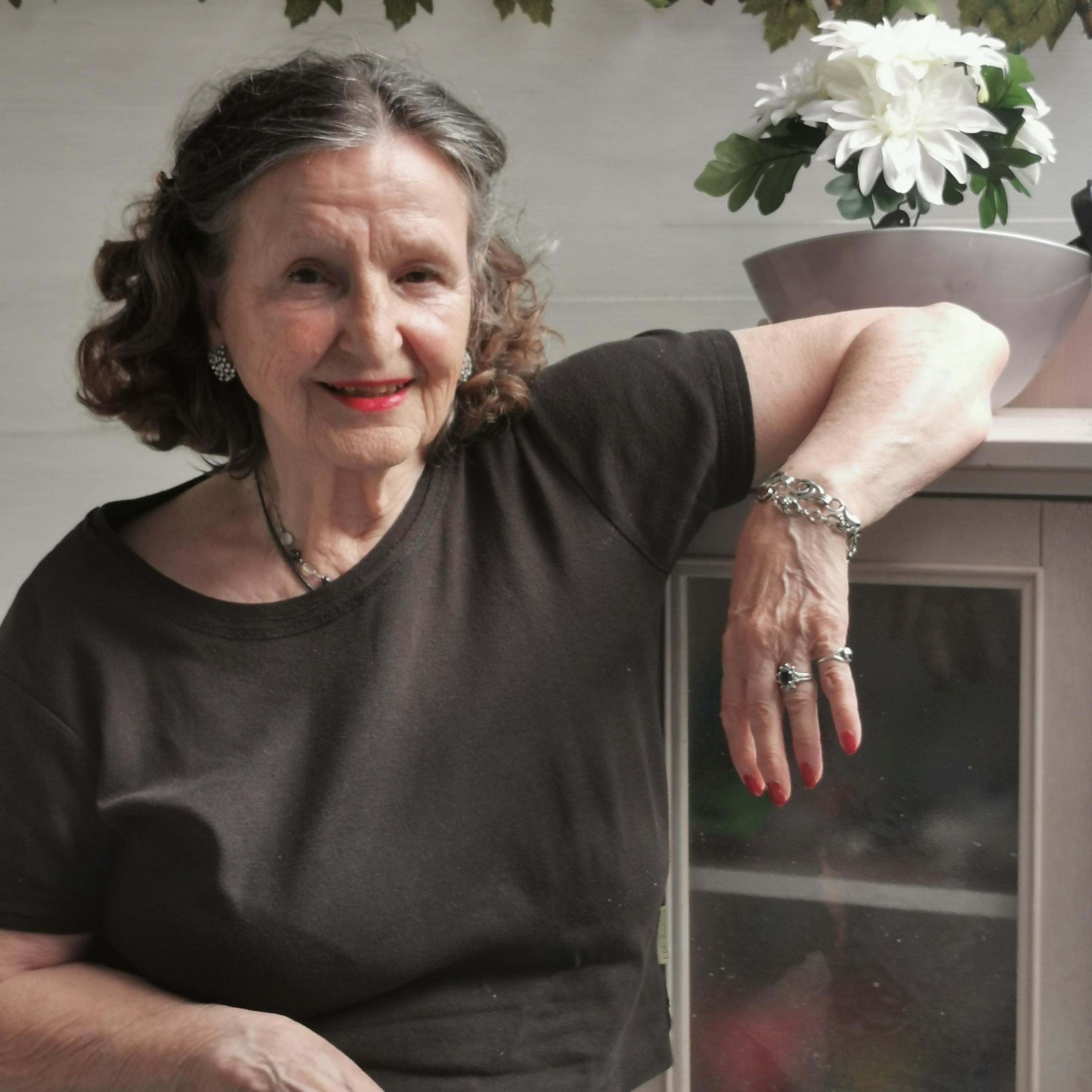 Eva-Maria Müller-Markfort
Midwife, Germany
Mrs. Eva-Maria Müller-Markfort is a German midwife. She has been working in the field since 1981, since 1988 as an independent midwife, and since 1991 as a midwife for home births. Given the bad memories of women about childbirth associated with mental problems, she developed a program called "Dreamtime..." focusing on the care of pregnant mothers (healing traumatic experiences from the first birth, alleviating fears and uncertainties about the birth of another child, etc.)
Mrs. Eva-Maria is known for her intensive care for women during pregnancy and after childbirth, support for natural childbirth and holistic care during pregnancy. She focuses on psychotherapy, supports the bond between mother and child using daydreaming techniques. She is known for her active participation in international conferences focused on obstetrics, home birth and breastfeeding protection.
Abstract:
Topic: Looking back, facing the Future
The theme of this conference places us in a position, where we are invited to remember the past with all its excitement of the possibility of starting somehing new, be engaged in developing a brighter future for mothers and their little Ones, sharing hopes and achievements as well disappointments, and learning to accept the limitations of the possible.
On the other hand we are invited to face a bright future. There is so much enthusiasm, energy, good will and hope in this one sentence, that we may for a moment forget hot difficult and arduous the way up to this stage hs been. This will hopefully encourage us to join hands and hearts and achieve the impossible: seeing mothers carrying their children without harm and fear during the 9 months of pregnancy, supported by the fathers, having access to a natural confinement at home when wanted and well educated midwives at their side, and for the little Ones a healthy and loving environment.
Now, as our daily circumstances are still far from being well adapted to the needs I want to point out in my presentation to one gift that has been given to mankind „free of charge,“since the dawn of time, through darkness and dangers, laughters and tears, sommer and winters, hunger and abundance. This gift is this wonderful unique bond that grows from the first moment of baby's existence between him or her and it's mother. It gets stronger with time to the benefit of both. But for a quite a while it is in danger to get damaged, it is loosing its inherent real and spiritual value and cannot be replaced by anything material, it is:
The Love of a Mother for her little Child
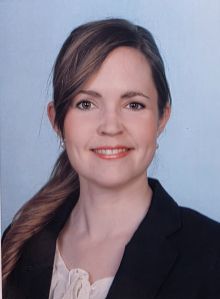 Jennifer Oberbossel
Midwife in the delivery room + Independent Midwife, Germany
Experienced midwife and healthcare professional with academic background in pharmaceutical sciences and midwifery science. Skilled in leadership and team management, clinical supervision, education, and project management within maternity care. Mother of two daughters with a passion for supporting women and families throughout pregnancy, childbirth, and postpartum care.
Abstract:
Topic:
Midwifery-led delivery suites
This part of the presentation will explore:
- Differences between midwifery-led and obstetric-led models of care
- Roles and responsibilities within midwifery-led units
- Transfer rates to obstetric-led delivery suites and the reasons for these transfers
- Current challenges within midwifery-led care settings
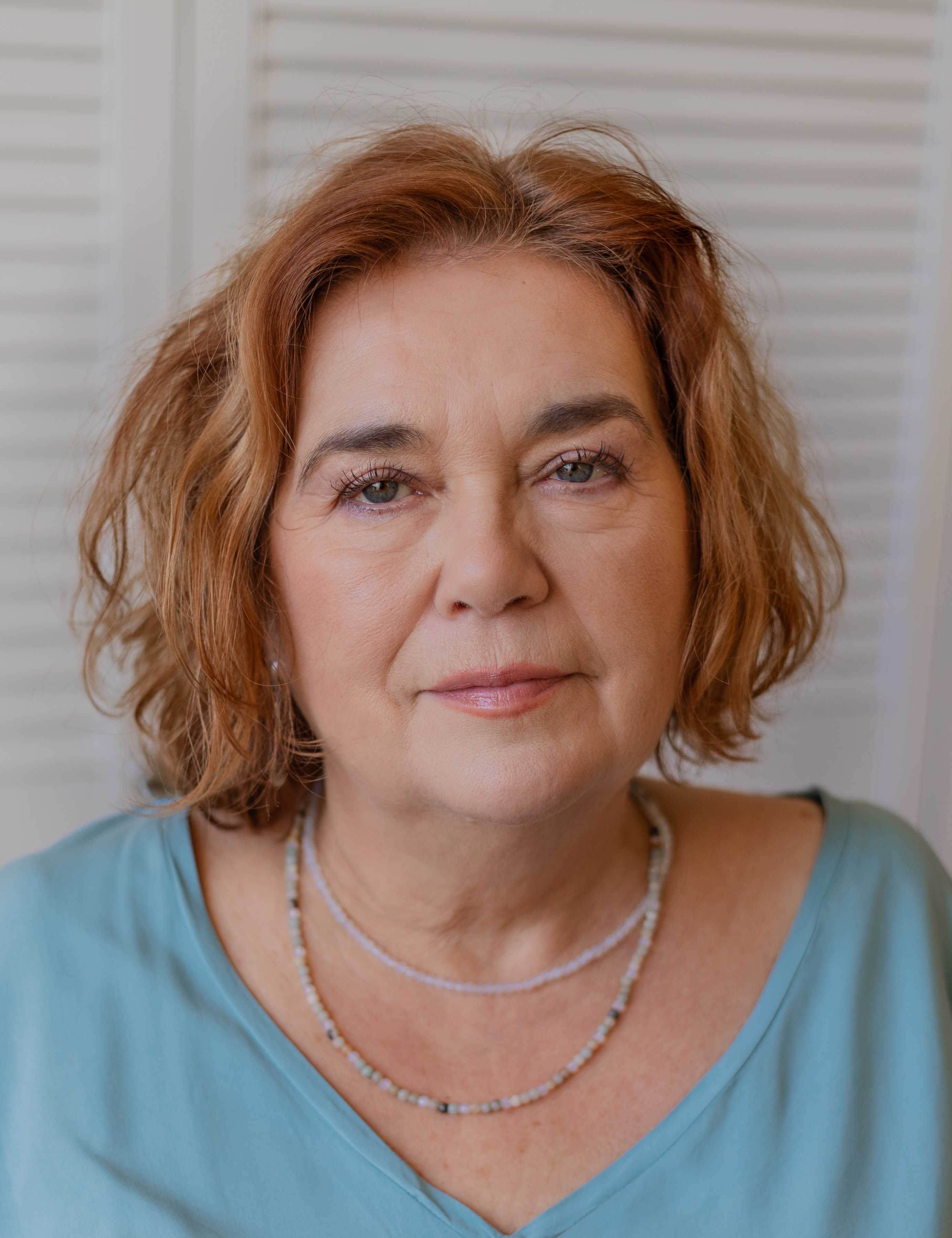 Katarzyna Oleś
independend midwife, Poland 
Katarzyna Oleś has worked as a midwife for 40 years and has been attending home births since 1992. In 2006, she co-founded the Independent Parents and Midwives Initiative “Well Born” and served as its president for 16 years.
Her current interests focus on the philosophy of birth and the significance of birth for parents, families, and society as a whole. She is the author of numerous articles and books on natural pregnancy and childbirth. Her latest book, Pepek (= belly button), was written for children.
Abstract:
Topic:
Quo vadis, midwifery?
I have been working as a midwife for 40 years, a period that has brought major changes in Poland, including significant developments in midwifery. My colleagues and I have been both participants in and witnesses to this process.
Midwives have worked in many different areas. One of them has been education for parents and their families, as well as for midwives and other healthcare professionals, often in cooperation with organizations interested in improving pregnancy, birth, and postpartum care. We helped make home birth a recognized alternative to hospital birth. We established a professional self-governing body and worked with public authorities to develop legislation. We achieved a high professional status for midwives, who became independent practitioners. Many of our colleagues now work at universities, teaching at different levels of education, and some have become professors of midwifery. We are proud to be midwives.
It sounds like a great success story. Unfortunately, the picture cannot be painted only in bright colours. Difficult times seem to be coming for midwives and for the people they care for. In Poland, the situation is changing rapidly, and I can see many similarities to developments taking place around the world.
I would like to take a closer look at this process and share some reflections and questions.
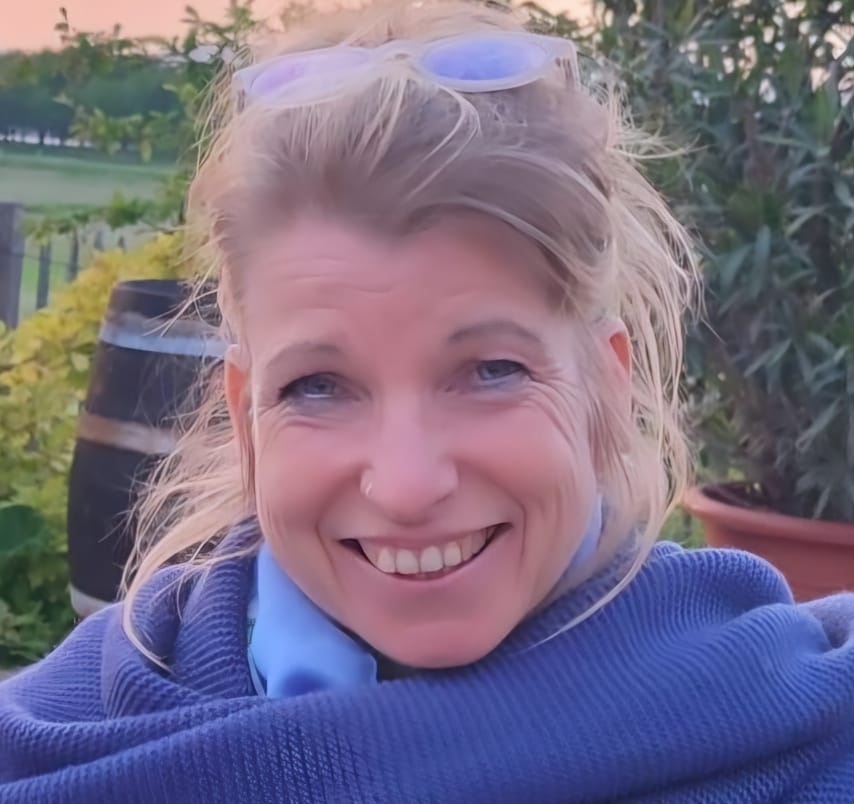 Nicole Rohne
Midwife in the delivery room, Germany
In 1998, after my high school graduation, I completed training as a midwife at the University Hospital in Freiburg.
After that, I began working in the delivery room with 1,200 births. Since 1998, I have accompanied women and couples in prenatal care, partly during childbirth, and in postpartum care.
Through the births of my sons, I was also able to gain practical experience. In the last 6 years, I have focused on childbirth preparation for multiparous women and counseling after difficult birth experiences.
Therefore, in 2024 I began training in pastoral care, which I will complete in August.
Abstract:
Topic: We are waiting for the abstract to be delivered...
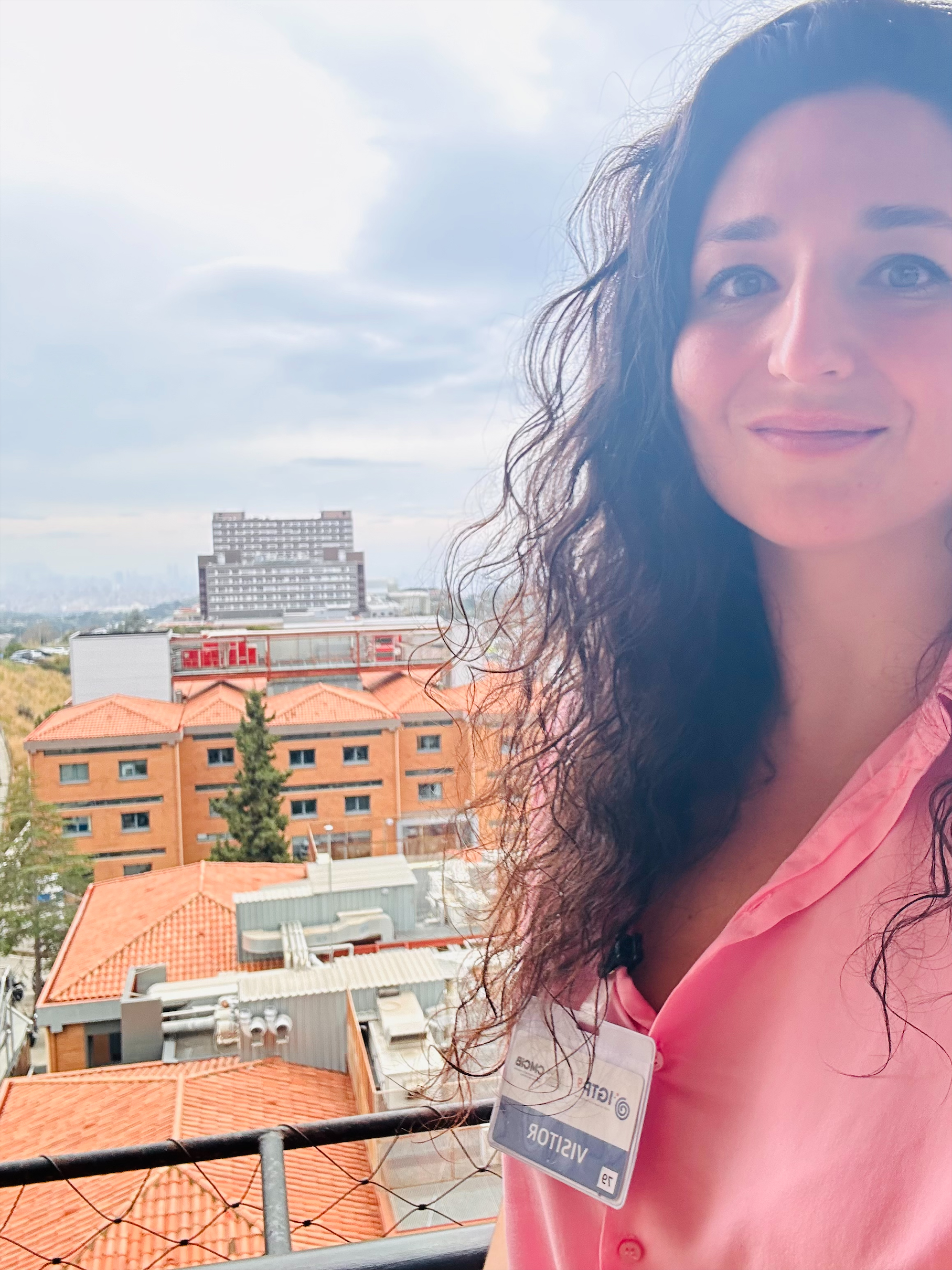 MUDr. Nora Romsauerová
gynecologist at Thomayer Hospital in Prague, Czech Republic
Dr. Nora Romsauerová is a gynecologist working at the Department of Gynecology and Obstetrics at the Thomayer University Hospital in Prague since 2015. She graduated from the First Faculty of Medicine of Charles University and specializes in robotic-assisted surgery. Thanks to her expertise in the field of minimally invasive surgery, she is one of the leading specialists in robotic gynecology in the Czech Republic. Even though her professional focus has led her in a different direction, obstetrics remains a matter of the heart for her.
Abstract:
Topic:
Breech birth: the hospital as an ally, not an enemy — the reality of Prague maternity hospitals
Breech birth represents one of the biggest topics in contemporary obstetrics at the interface of safety, women's autonomy and professional courage. In the Czech Republic, the vast majority of these births end in a cesarean section – and Prague is no exception. Nevertheless, the Thomayer University Hospital is one of the hospitals that tries not only to offer, but also to actively practice vaginal breech birth.
Our approach is based on respect for the woman and her wishes, mutual trust between all involved and is based on professional data and experience. We believe that doctors, midwives and doulas are not opposed to each other – but can enrich and strengthen each other, because their goal is the same. But this respect and trust must be mutual – because we all have the same thing in mind: the health and life of the child – in all its dimensions.
So what is the real reality of breech birth in a hospital, where are our reserves, and what should be our goal? Let's find out in a joint debate.
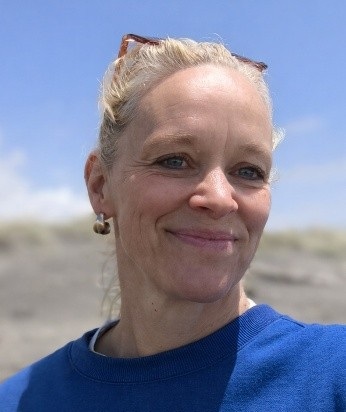 Kerstin Rupp
Midwife in the delivery room + Independent Midwife, Germany
Experienced registered midwife based in Germany, with 28 years of clinical practice across primary, secondary, and tertiary care settings. Trained in Freiburg in 1998, I have worked in both employed and independent midwifery roles, providing high-quality care during pregnancy, birth, and the postnatal period.
My professional experience includes hospital and community-based practice in Germany and New Zealand. In New Zealand, I worked within a predominantly midwifery-led maternity system and later as a Lead Maternity Carer, providing continuity of care throughout pregnancy, birth, and the postnatal period, including extensive home birth experience.
Since returning to Germany in 2008, I have continued working in hospital settings alongside independent midwifery practice, supporting women during pregnancy and the postnatal period. I have also completed numerous continuing education and professional development courses across a broad range of clinical areas.
Abstract:
Topic:
Development of midwifery over the last 20 years in Germany and Switzerland
In this section, we will analyse key developments and structural changes in midwifery care systems. We will address the following questions:
- Why are maternity units closing?
- Why are increasing numbers of midwives leaving the profession?
- How is out-of-hospital (community-based) maternity care organised, and how does this differ from the system in Germany?
- How has the caesarean section rate developed over time?
- Has maternity care become more medicalised, or more individualised?
- Are psychological challenges and mental health aspects around pregnancy and birth becoming more visible and recognised?
In addition, we will discuss current systemic challenges, including
- Increasing economic pressure on hospitals
- Rising professional liability insurance costs for midwives
- The ongoing closure of delivery units
Germany vs Switzerland
Through this analysis, we aim to highlight the evolving role of midwives, the impact of health policy and economic factors, and the changing needs of women and families in maternity care.
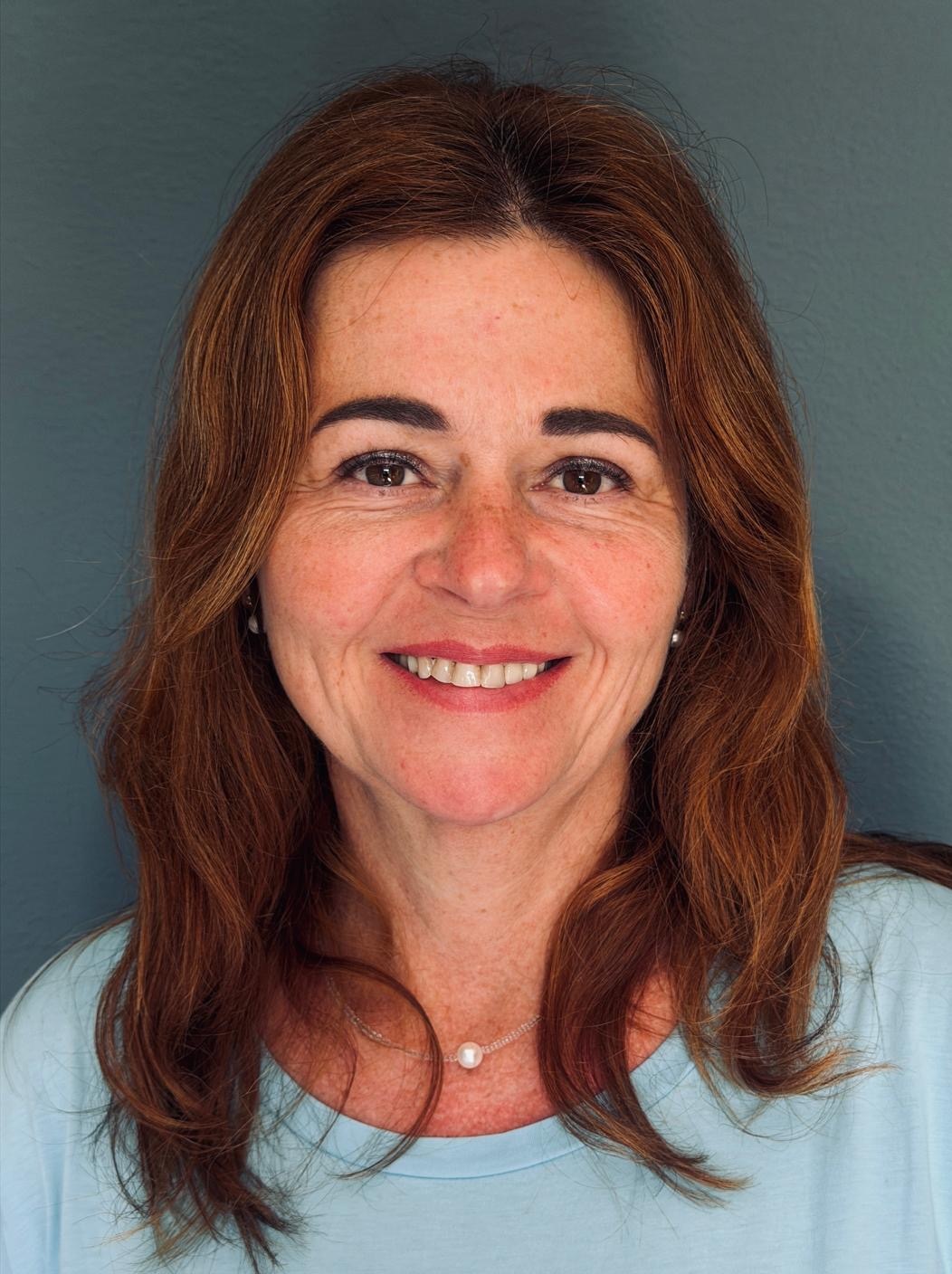 Simone Seeburger
Midwife in the delivery room, Germany
For over 30 years, I have been supporting women and families as a midwife with great passion and extensive experience – from pregnancy and birth to the postpartum period. After completing my midwifery training at the University Hospital in Olomouc (1992), I gained my first professional experience at the Prostejov District Hospital in the Czech Republic. Since 1997, I have worked in various hospitals, including in the affiliated hospital system in Germany. I gained further experience working on a postpartum ward at a hospital in Switzerland.
Since 2001, I have also worked freelance, supporting families with prenatal care, postpartum care, breastfeeding support, and in-person and online courses on postpartum recovery and introducing solids. Since 2006, I have also worked in a gynecological practice.
In addition to my many years of experience working in the delivery room and obstetrics department at the Evangelical Deaconess Hospital in Freiburg, I have also been actively involved in the pilot phase of the midwife-led delivery unit for the past year.
Numerous training courses and continuing education programs including acupuncture, breastfeeding support, postpartum recovery, nutrition, and quality development shape my work. Holistic care, professional expertise, and individualized support for families are particularly important to me.
I am married and my husband and I have two adult children.
Abstract:
Topic:
We are waiting for the abstract to be delivered...
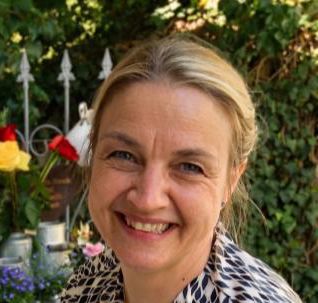 Heike Schäfer
Midwife, Buggingen, Germany
Heike Schäfer is an independent and employed midwife based in Baden-Württemberg, Germany. She completed her midwifery training in 1997 at the University Women's Hospital in Freiburg and has since built nearly three decades of hands-on experience across a wide spectrum of clinical settings from tertiary hospital care to intimate home births.
Early in her career she combined employed hospital positions with independent practice, providing antenatal and postnatal care in parallel. After relocating to the Cologne area in 2001, she worked as a lead midwife for supported hospital births and home births, taking full responsibility for continuity of care through pregnancy, labour, and the postpartum period.
Even while raising four children, Heike maintained an unbroken clinical practice working independently through parental leave periods and returning to employed midwifery at several hospitals. She has continued to develop her skills through extensive continuing professional development, with a particular focus on integrative and holistic approaches to maternity care.
Abstract:
Topic:
Midwifery-led delivery suites
This part of the presentation will explore:
- Differences between midwifery-led and obstetric-led models of care
- Roles and responsibilities within midwifery-led units
- Transfer rates to obstetric-led delivery suites and the reasons for these transfers
- Current challenges within midwifery-led care settings
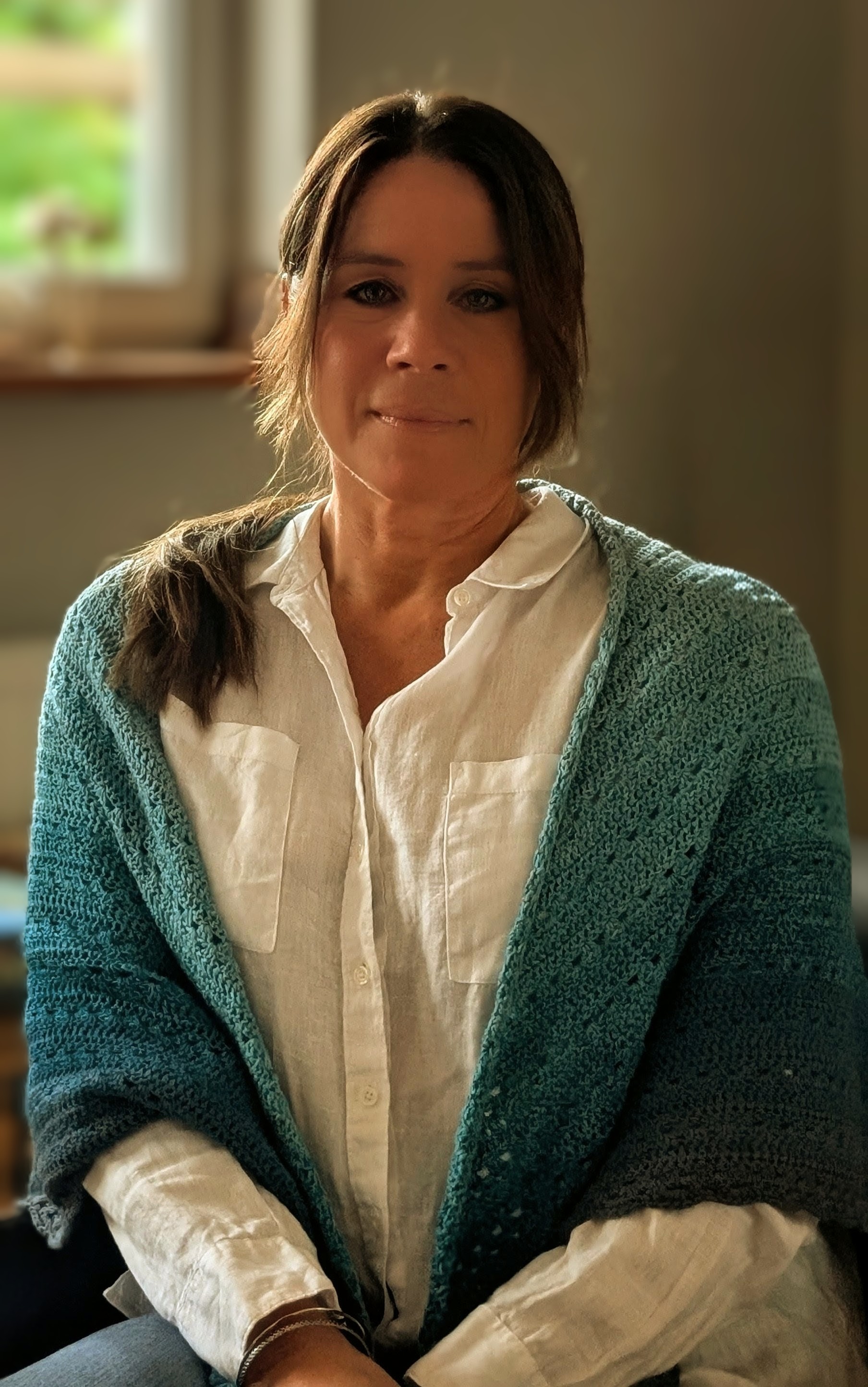 Silke Schmid
Freelance Midwife, Clinical Instructor, Germany
After completing her training as a nurse, Silke went on to qualify as a midwife 26 years ago. From the very beginning, she worked independently with pregnant women and new mothers, while also spending many years employed in hospital-based obstetrics. Concurrently, she raised four children of her own. For the past ten years, she has worked exclusively in private practice-serving as an attending midwife in hospitals and assisting with home births.
Over the years, her professional focus has increasingly centered on strengthening and maintaining the deep musculature, the pelvic floor, and the body's core.
Given her rural location, it was clear to her from the outset that her role entailed providing comprehensive, holistic care to pregnant women. Through her training at the TLHE, she became increasingly aware of just how vital authentic, core midwifery practice is both for midwives themselves and for the pregnant women entrusted to their care. Safe midwifery practice and the preservation of women's health are invaluable assets that must be passed on to the next generation.
Abstract:
Topic:
AI Has No Hands – What Defines Original Midwifery and Why It Must Not Be Lost in Education
The increasing use of digital technologies in healthcare raises a fundamental question: What is at the core of midwifery – and what part of it cannot be digitalised?
This presentation describes what is meant by original midwifery practice. At its centre there are two inseparable forms of knowledge: tactile experiential knowledge – the knowledge held in the hands, developed through repeated practice with real people – and physiological contextual knowledge, which connects a physical finding to a complaint and explains relationships that no checklist can capture.
The Traditional Teaching of Midwifery and Obstetric Art (TLHE) developed by Barbara Kosfeld serves as a reference framework. It systematically preserves centuries of embodied experiential knowledge: tissue assessment, pelvic measurement, optimalisation of fetal positioning, and clinical examination throughout pregnancy, birth, and the postnatal period.
Scientific studies play an important role in midwifery – as a corrective and a guide. However, they do not replace the foundational physiological understanding that is a prerequisite for their correct application, and they cannot provide answers for the individual case.
This presentation advocates for preserving the competencies of traditional midwifery practice – individual, transmitted experiential knowledge, tactile clinical assessment, and physiological contextual understanding as essential components of midwifery education.
For the true challenge in the age of AI lies not in technology replacing midwives – but in an education that prioritizes scientific competence while neglecting individual, traditional experiential knowledge, thereby producing midwives who actually become replaceable.
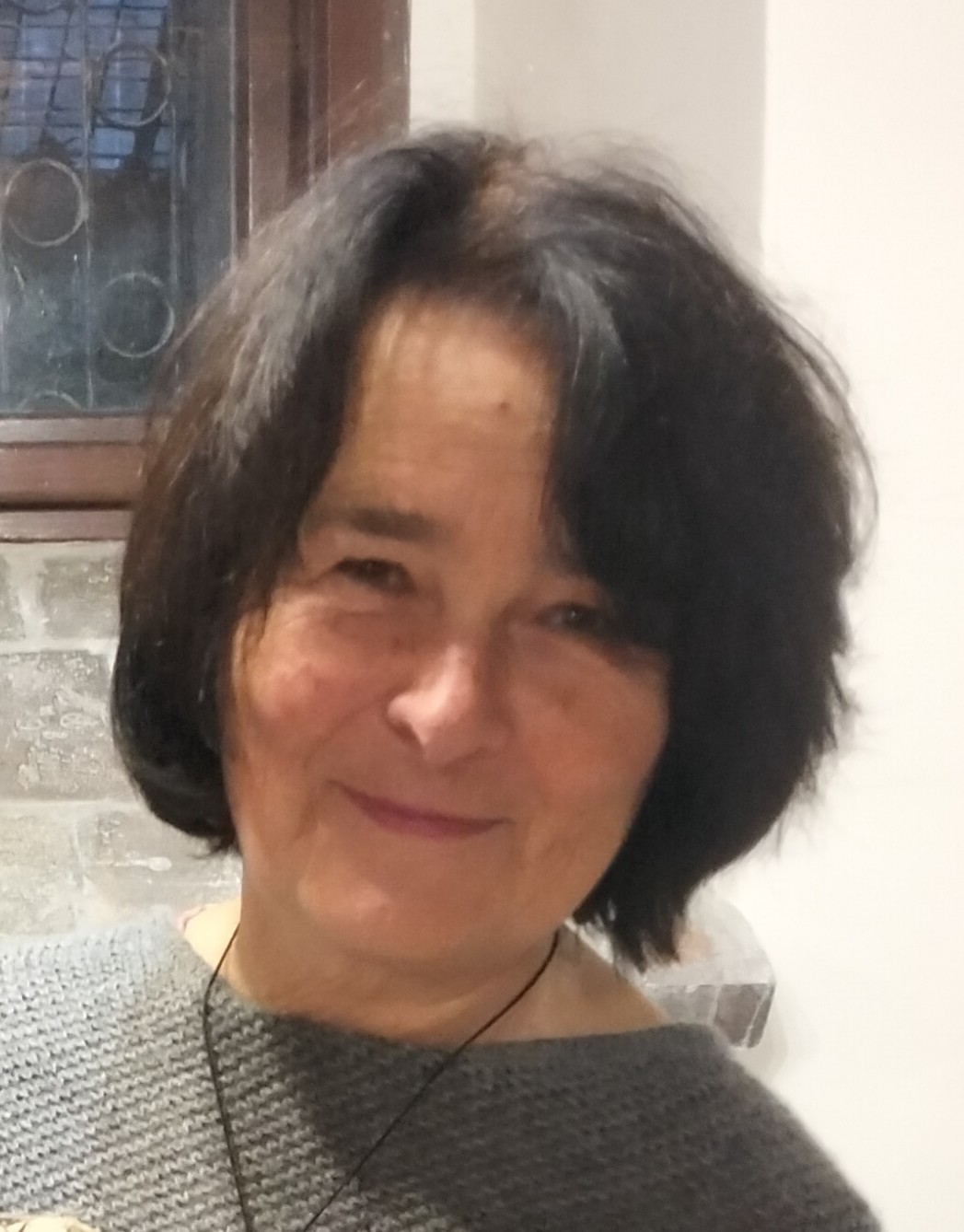 Ewa Smuk-Stratenwerth
anthropologist, Poland
Ewa Smuk-Stratenwerth, a graduate of biology and anthropology and postgraduate studies in philosophy with a focus on “Religion and Science.” Since the 1990s, she has been involved in work with non-governmental organizations, first in Warsaw at the EKO-OKO Center, where she co-initiated the nationwide campaign To give birth humanely In 1993, she moved to the Mazovian countryside, to the farm of her husband, Peter Stratenwerth. In 1995, she co-founded the ZIARNO Ecological and Cultural Association, and in 2015 the Ecological People’s University Foundation.
She is a member of the global organization Ashoka – Innovators for the Public Good.
She is the mother of five daughters.
Abstract:
Topic:
Revolutionary change in the attitude towards childbirth in 90-ties in Poland
The twentieth century was a period of subjective treatment of the woman giving birth in many countries. This style was present in hospitals in communistic Poland at the end of 80ties last century. It deprived the woman of her dignity, she was part of some 'organisation' to which she was expected to submit, which actually hindered the course of the birth. In many countries, grassroots movements initiated mostly by women and midwives led to the "empowerment" of the woman. In 1985, the World Health Organisation (WHO) released a report, which made a number of recommendations. These recommendations, entitled 'Childbirth is not a disease', were intended to guarantee women's right to choose the appropriate form of perinatal care. Unless there is a risk to the woman or her baby, childbirth should take place naturally, without medical intervention, only with the discreet involvement of medical personnel.
Providing dignified birthing conditions for the woman influences an "easier" birth, these conditions are: the possibility of a vertical position in the first phase of birth instead of a horizontal one, support from the community, uninterrupted contact with the newborn child. More precisely, these dignified conditions were translated into: "freedom to give birth", i.e. the possibility to behave freely in the first phase of childbirth (e.g. to walk, to take a shower, to use the various equipment available to make it easier to cope with the pains of labor, the presence of a close, supportive person, direct, close contact with the baby immediately after the birth and to be in a common room afterwards, next to the newborn baby (so-called "rooming-in").
The change in Polish perinatal procedures happened in the 90-ties as a result of a succesful campaigne, led by the influential Polish newspaper „Gazeta Wyborcza” but initiated and co-created by Polish mothers. The author, a mother of 5 and anthropologist by education, was seriously involved in this campagne, called „Rodzić po ludzku”, "To give birth humanely”, as well as in the earlier movements and initiatives, which directly led to the campagne.
These earlier initiatives include popularisation activities and first birthing schools initiated by Włodzimierz Fijałkowski, the work of the Association for Natural Childbirth and Feeding, the initiative of the EKO-OKO Environmental Education Centre: "Quality of Birth - Quality of Life", the experience of mothers giving birth in the natural, warm environment of their own home, and midwives ready to receive home births. Also helpful were the many contacts with other countries, where both Birth Centres run by midwives were established and home births were not unusual.
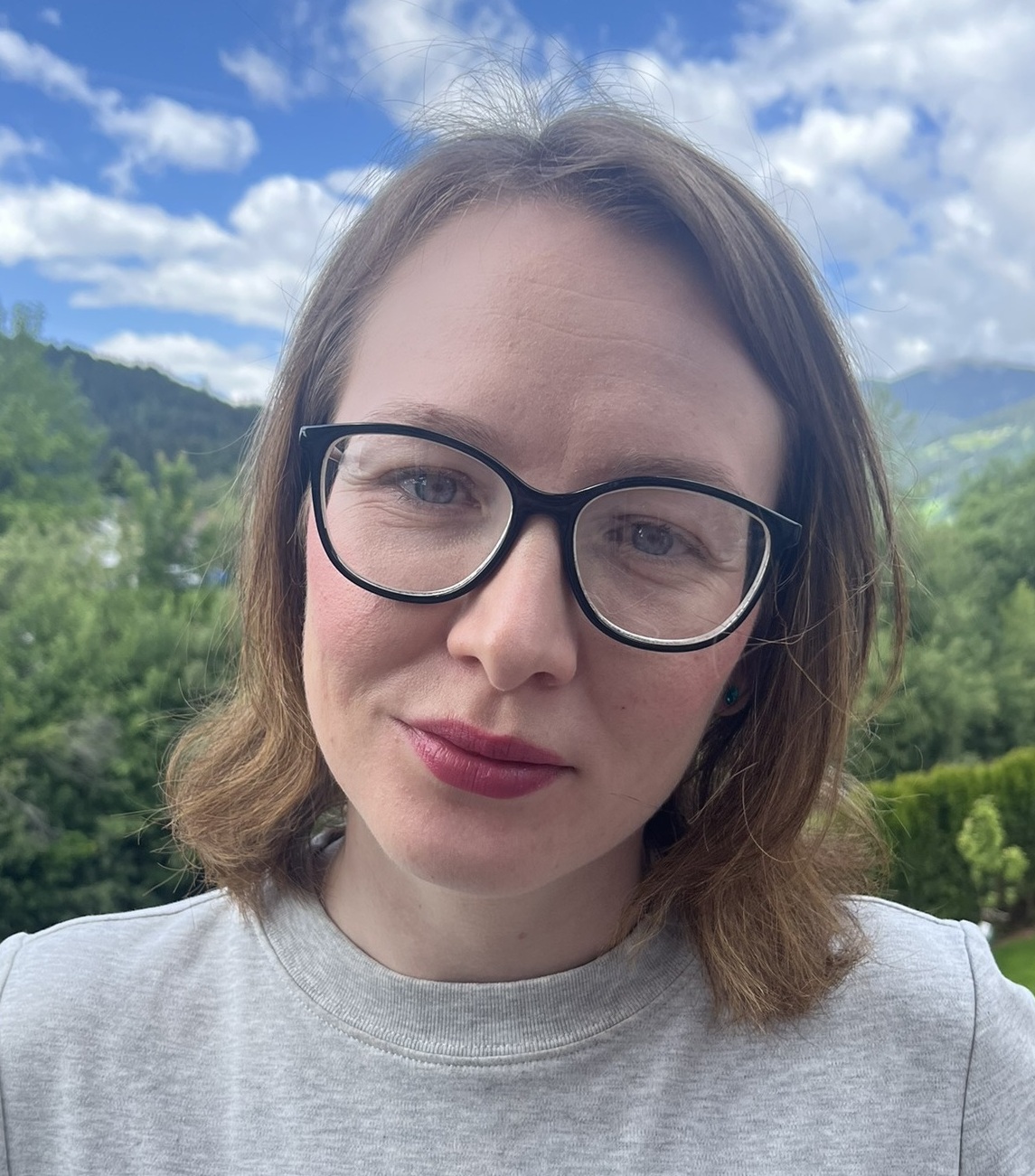 Michaela Strauch
Austria 
My name is Michaela Strauch, I am 32 years old and I moved to Austria, specifically Vienna, 9 years ago. I worked as an au pair here, and for the last 5 years I have been a mother on maternity leave. In my free time, which is desperately short without grandparents and another support system, I like to do sports, read and write books, and create on social networks.
Abstract:
Topic:
Midwives as a source of humanity and trust
The lecture will reflect on personal experience with pregnancy and postpartum care in Austria. It will focus on the key role of the midwife as a woman who, with her experience and knowledge, fulfills not only her professional role, but also an equally important supporting role.
During the lecture, I will talk in general about how support for midwives works in Austria, what their care looks like during pregnancy, in the maternity hospital, and how they subsequently follow up on this care during the six weeks postpartum, and how midwives cooperate with doctors and make each other's work easier, for example during high-risk pregnancies.
 Cathrine Trulsvik
Midwife, Norway 
My name is Cathrine Trulsvik, and I have worked as a midwife for 26 years. From 2011 to 2016, I worked in private practice, attending planned home births in Norway. During this period, I received a restricted authorization after supporting women’s informed choices in births that were professionally sound, but outside prevailing national guidelines. This experience strengthened my engagement in questions of women’s rights, informed consent, and midwives’ professional autonomy.
In 2014, I founded and began organizing the annual Norwegian midwifery conference The BirthFestival, creating a platform for dialogue on birth, ethics, women’s rights, and midwifery care. In 2021, I founded BirthRights Norge, an independent advocacy organization working to strengthen women’s rights in pregnancy, birth, and the postpartum period.
I am now also the author of the book Fødesviket – når jordmorfaget taper, svikter vi kvinnene (“The Betrayal of Birth – When Midwifery Loses, Women are Failed”), which explores the relationship between midwives’ professional autonomy, women’s rights, and the structural development of modern maternity care.
Abstract:
Topic: When midwifery loses, women are failed
In this presentation, Norwegian midwife and author, Cathrine Trulsvik, reflects on the relationship between midwives’ professional autonomy and women’s rights in childbirth. Drawing on clinical experience, health law and current developments in maternity care, she explores how increasing standardisation, medicalisation and organisational pressures may affect both women and the midwives who care for them. The presentation is inspired by themes from her upcoming book The Birth Betrayal and aims to encourage reflection, dialogue and renewed engagement with the core values of midwife
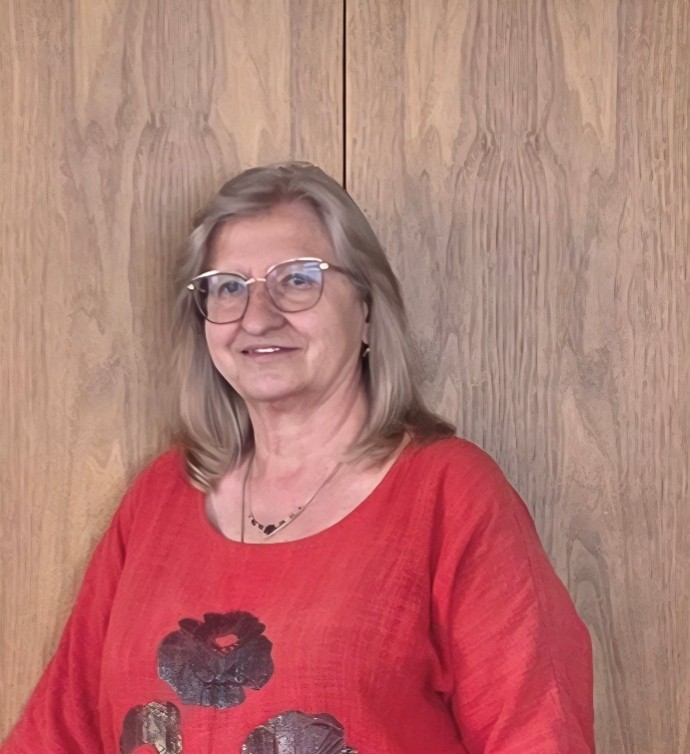 Mgr. Věra Vránová, Ph.D.
midwife, assistant professor at the university,
Czech Republic
She graduated from the Secondary Medical School in Olomouc in 1973 with a degree in midwifery (female nurse).
From 1973 to 1989 she worked in the field of care for women, mothers and children in primary - outpatient, community and hospital settings.
From 1989 she has been working in education. At the secondary medical school from 1989 to 1998, and from 1998 until now at the university, where she is involved in the education of midwives.
In 1997 she completed the master's degree program in Teaching Professional Subjects for Medical Schools and in 2004 the doctoral degree program in Anthropology.
She has held several leadership positions in academia.
She worked in the Accreditation Commission of the Ministry of Health of the Czech Republic as an evaluator of educational programs for lifelong education in non-medical fields.
She was a member of the Czech Association of Midwives (later the Czech Confederation of Midwives).
She has published many professional articles, written a textbook and a monograph.
She has participated in many Czech and international conferences as a lecturer.
She has led and defended many bachelor's and master's theses.
She is still educating herself in midwifery, because education is a lifelong process.
She sees her profession as a midwife as a lifelong mission.
Abstract:
Topic:
The presentation will focus on an overview of the development of midwifery education in the Czechoslovak Socialist Republic and later in the Czech Republic from the 1950s to the present. It will also present the job description – the activities of a midwife in the healthcare system during this period.
 Mary Zwart
Midwife, Niederlands 
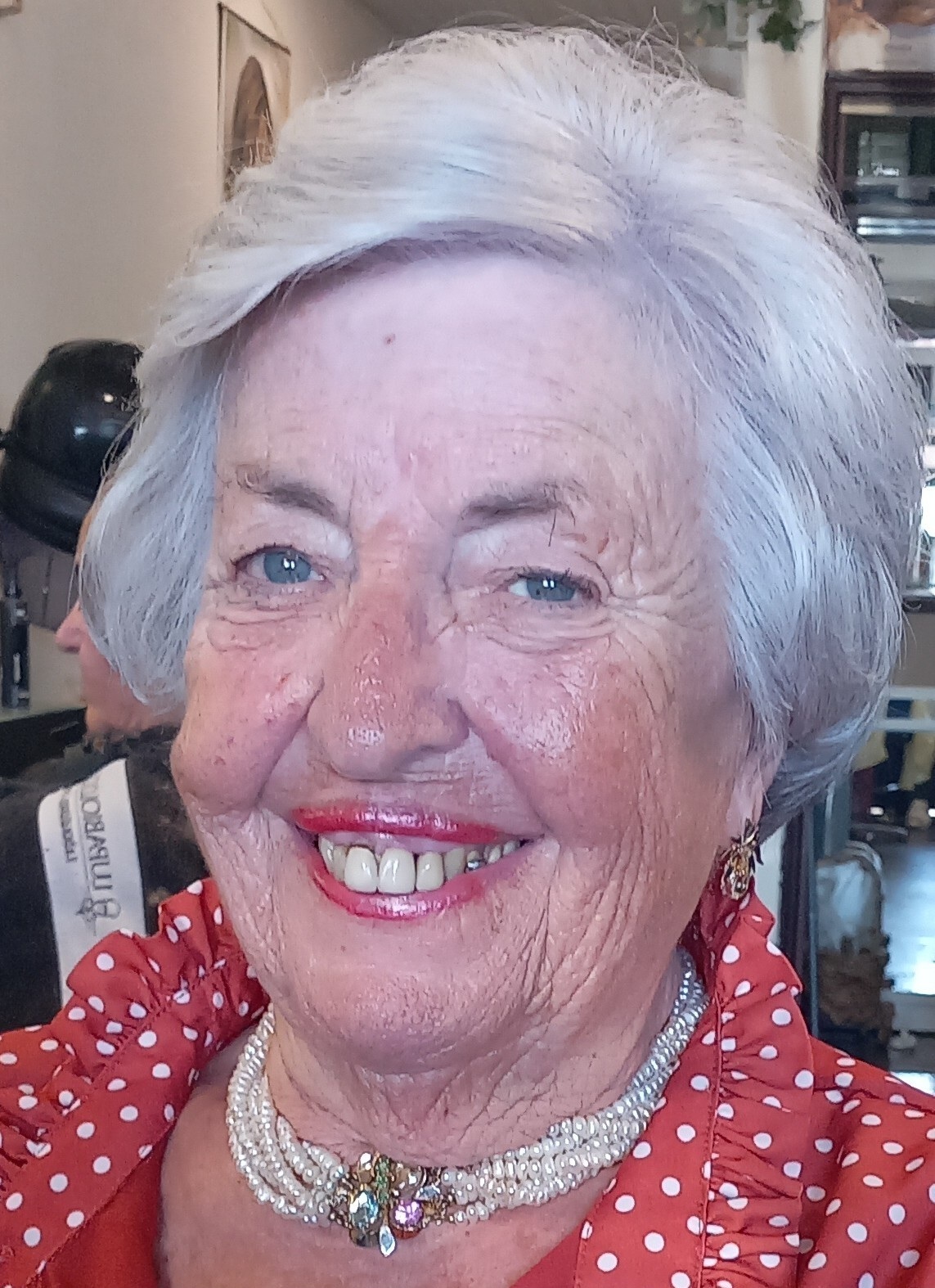
Mary Zwart is a Dutch midwife and international human rights activist in obstetrics. Her main contribution lies in supporting and educating pregnant women in the areas of autonomy, natural births and expanding the competences of midwives. She is a prominent member of the European Network of Midwifery Associations (ENCA), where she actively promotes standards of maternity care.
After 2000, she came to the Czech Republic to train Czech and Slovak midwives and health professionals, and was at the origin of seminars and educational events for midwives in the Czech Republic.
Abstract:
Topic:
A future for midwifery
The first time I came to the Czech republic was in 1967, the first time behind the iron curtin. I visited a hospital to see how perinatal care was provided and I was shocked: so different of what I was used to in the Netherlands. No visits, no flowers, separation of mother and child, the sterility.
In 1968 I was back with friends in Prague celebrating democracy which turned in into a nightmare. The coming years were horrible and I stopped in 1972 because it was too painful but with a promise whenever I can help I will do so.
That happened at the ICM conference in Oslo 1996: I met Zuzana Stromerova there, when I was presenting the Dutch Model of care and she asked me for my help. Thats how it started. Without money we started to make plans for change. A trip to the Netherlands with a old bus, sleeping by colleagues.
Aweness in the Czech republic, conferences, seminars, workshops.
Looking back we did a lot and looking forward we have still a lot to do:
- Human rights in childbirth,
- Possibility of choice of the place of birth,
- Tecnology,when to use it and when not,
- Team work a treat or a blessin,
- Midwives turning into medwive,
- We also face the fact that women are more emancipated,
- The planning of lives are now so different,so much more ruled by economy,
- This raises the question where we too romantic or are we now lost in a society that sees us as consumers,
- Is there still space to claim time to give birth in stead of delivering a baby,
- Do we think that manmade milk is better in stead of breastfeeding,
- The focus on securety outside our bodies, ultrasounds in stead of trust,
- What about bonding when you do not want to feel the baby kicking before the ultrasound of 20 weeks to know your baby is ok and you do not need to abort it beause of insurance policy,
- Fear as business model.
This trip to Prague will be different: I look forward to it, to meet friends again after a long time. To see that there is a future for midwifery!